Heat Pump Systems
Heat pump; It meets your heating, cooling and hot water needs with a single device by offering high energy savings. Heat pumps are efficient, economical and environmentally friendly. It is an innovative and modern heating & cooling system that uses green energy sources called air, water and soil efficiently and provides high energy savings with A++ energy class.
Heat pumps are devices that use gas cycle technology to heat and cool a small amount of their energy from electricity and a large portion from air, soil or water. In general, air conditioners, refrigerators or the most commonly used air-to-water heat pumps on the market fall into this category.


As with all devices, efficiency in heat pumps, that is, the ratio of useful energy provided to the energy spent, is the determining factor in our device choices. The increase in energy costs undoubtedly makes this perspective even more important. In addition, the concept of sustainable efficiency has also entered our lives.
The instantaneous performance of a device under standard test conditions is valuable and the efficiency related to it is of course important, but in addition to this, it is very important that the device can provide its performance values - seasonal efficiency values, standard efficiency even after months and years, with operating conditions changing during the day and/or depending on the seasons.
The efficiency definition in heat pump devices is expressed with the concepts of COP in heating and EER in cooling. This phrase, which is briefly translated into our language as coefficient of performance, shows the efficiency values of heat pumps.
This value is approximately 4.5 for air source heat pumps. What is meant here is that 4.5 units of heat energy are obtained for 1 unit of electricity consumption. For example, this value is 1 unit to 1 unit for an electric heater.
Making Productivity a Priority
What are the Types of Heat Pumps?
If we want to categorize heat pumps, we need to separate them according to source and area of use.
Ground source heat pumps, which use soil, water and air resources in terms of source, in other words, take the energy found there and put it into the cycle, use the soil as the energy source. Energy is taken from the soil by drilling or scattering methods. Here, it is based on the principle that the energy taken from the soil is transferred to a special liquid and this liquid transfers energy in the heat pump cycle.
Water source heat pumps, in these devices, a water source with a large mass such as a river or lake or sea is used as the energy source, this water in the source can be transferred directly to the heat exchange of the device or it can be done with another cycle, for example, through pipes laid inside the water source. The point to be considered at this point is the continuity and cleanliness of the source.

Air Source heat pumps
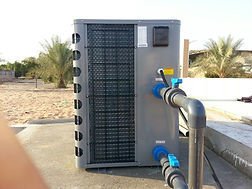
Air Source heat pumps are the most commonly used models that come to mind when it comes to heat pumps. The continuity of the source is suitable, but the decrease in air temperature during the heating season and the increase in temperature during the cooling season negatively affect efficiency. At this point, consumers should pay attention to the standard test conditions of the devices they choose, which are 7 ° C outdoor temperature and 35 ° C flow water temperature, as well as the performance values based on the minimum outdoor temperatures for the region where the installation will be made, and the documentation of these values from accredited testing institutions, and Eurovent certificates.
Ground Source heat pumps
The soil is an important heat storage medium where the solar heat absorbed on its surface and the energy received by convection and rain can be taken by a heat carrier cycle by a heat pump. Ground source heat pumps are heat pumps that use the heat drawn from the soil in their evaporators. The heat exchange with the soil is carried out by ground heat exchangers buried horizontally or vertically in the soil. The refrigerant is passed directly through the pipes buried underground, or usually brine, as it is cheaper. The heat energy obtained by passing water or brine through the pipes forming the ground heat exchanger is transferred to the refrigerant in the evaporator of the heat pump.
.jpeg)

Avantajları Nelerdir?
Heat pumps are technological devices that can provide heating, cooling and domestic hot water production in a compact way with the help of simple installation components. They work with electrical energy, but while they use approximately 1/4 of the heat energy they produce, they get the rest from the heat hidden in nature (air). For this reason, they are devices with very high energy efficiency.
In addition, the fact that there are no obstacles to individual electricity generation from the sun in residences paves the way for houses that consume almost zero energy with these types of electricity-powered and installed systems. Considering that an average of 80% of a house's total energy consumption is spent on air conditioning, there is no other system that can provide this energy efficiency - economical use advantage.
Heat Pump Usage Areas
If we look at the points where heat pumps are used, every area where air conditioning is included in this scope. We can list all areas such as private residences, hospitals, hotels, other tourism facilities, sports facilities, villas, businesses. In addition, heat pumps can be used in all processes that require hot or cold water in production. Especially in newly designed villas, high energy efficient residences built with heat pumps appear as structures that are both suitable for the smart home concept and highly comfortable in terms of air conditioning.
When Investing in a Heat Pump;
When purchasing a heat pump, some critical points need to be taken into consideration.
These types of investments are systems that are expected to serve for long periods of time. They also consist of devices that should provide you with comfort for many years and for long periods of time during the year.
It should be expected that there are accredited organizations that test the efficiency of the device you purchase as high efficiency.
In Europe, the indispensable document for these products is the Eurovent certificate. As you can appreciate, it is not possible to buy the devices and test them under home use conditions. For this reason, independent testing organizations have been established, their test values and pages are open to the public, and they provide the relevant values according to the device brand.
Another issue to consider when purchasing a heat pump is the provision of necessary and sufficient engineering services. If the needs are not determined correctly and the necessary technical controls are not provided in the application and the same seriousness is not taken after the sale, the necessary performance will not be provided from the devices regardless of the brand and model, and sufficient comfort conditions will not be met.
As a Genç company, the point we focus on the most is to select the right device, apply it correctly and create a system that suits the needs of the end consumer and ensure that the device usage settings are made correctly.
.jpg)