


Solar Energy
Systems (PV)
Our company wholeheartedly supports the development of renewable energy sources in our country and the adoption of an environmentally friendly policy. With this in mind, our company designs , sells, and installs solar energy systems quickly and affordably, utilizing our competent engineering staff and the brands we represent. Solar inverters are generally divided into two main groups: On-Grid and Off-Grid.


On-Grid System
On-grid systems are systems that operate in conjunction with the grid. There is no need for storage in this system. Electricity is generated as long as there is sunlight; you can use the generated electricity in your building if you wish, and if there is excess production, you can sell it to the grid. When there is no sunlight, you consume electricity from the grid. When designing this system, the primary goal is to minimize electricity consumption from the grid by allowing you to use your own generated electricity as much as possible.
Off-Grid System
Off-grid systems are used in areas without an electricity grid and/or where installing an electricity grid would be very costly. These systems allow electricity to be used only during hours when there is sunlight. Battery banks are needed to provide electricity when there is no sunlight. The battery banks charge during sunlight hours, and energy is drawn from the batteries when there is no sunlight.

What is a solar panel ?
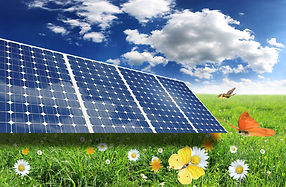
Also known as a solar cell, it is the main component of solar energy systems, which hold an important place among renewable energy sources. Thanks to silicon cells, it converts sunlight directly into electrical (direct current) energy.


What is an inverter ?
Inverter: Also known as an inverter. In short, an inverter is a device that converts direct current (DC Volts) from batteries or solar panels into alternating current (AC Volts) suitable for the mains voltage. This allows electricity generated from solar energy to be converted to mains voltage, powering the devices in your home and workplace.
How does the system work?
In summary, sunlight generates DC (direct current) electricity through solar panels. This electricity reaches an inverter, which converts it into AC (alternating current) current to power your home's appliances. In on-grid systems, if more electricity is generated than your home needs, the excess energy is fed back into the grid by the inverter. Conversely, if the energy is not needed, the inverter draws the required electricity from the grid and distributes it to your appliances. In off-grid systems, excess electricity is fed to the batteries by the inverter to charge them. Conversely, if the energy is not needed, the required electricity is drawn from the batteries and distributed to your appliances by the inverter.


How to select a panel?
The most important feature that distinguishes solar panels from each other is their cells. There are basically two types of cell types: Monocrystalline and Polycrystalline Solar Panels. Monocrystalline Solar Panels: They operate more efficiently than polycrystalline solar panels. Their efficiency is higher, especially in cloudy and hot weather. They generally offer more advantages in areas with less sunlight. The disadvantages are that they are more expensive, and if part of the panel is covered with snow, shade, or dust, the production value of the panel decreases significantly. The entire panel must be kept clean and open at all times. Polycrystalline Solar Panels: They are cheaper than monocrystalline solar panels. They are more efficient in areas that do not receive excessive heat. They are less affected by shading than monocrystalline panels. Even if part of the panel is covered (shading, snow, or dust), the parts receiving sunlight produce more efficiently than monocrystalline panels. Their disadvantages are that their efficiency is lower than monocrystalline solar panels. They are not efficient in cloudy weather. Both types of panels are of high quality and have the same warranty periods. As mentioned above, the most ideal option should be chosen based on the intended use and climate conditions. The power rating indicated on the panels refers to the power they produce per hour at full irradiation. For example, a 275W panel produces 275W of electricity in one hour.